Gas & Explosion CFD
FLACS-CFD
Gas dispersion, flammable-volume development, gas explosion, overpressure, venting, and mitigation assessment.

BESS Engineering Services
Focused engineering for BESS manufacturers, system integrators, and EPC teams preparing products and projects for U.S. deployment.
Defined Service Scope
BSD does not operate a fire-test laboratory. Physical testing is performed by qualified third-party laboratories. We support test planning, interpret test results, evaluate the product and intended installation, and prepare technical reports for design, compliance, and AHJ review.
Product-Level Engineering
Engineering analysis focused on the BESS product itself, its enclosure, protective features, test evidence, and intended operating configuration.
Installation-Level Engineering
Assessment of how the selected BESS product performs within the proposed site layout, building, enclosure, electrical system, exposures, and jurisdictional framework.
Advanced BESS Modeling
BSD combines specialized CFD, fire, thermal, structural, and seismic simulation platforms to turn product data and site conditions into defensible engineering conclusions.
Gas & Explosion CFD
Gas dispersion, flammable-volume development, gas explosion, overpressure, venting, and mitigation assessment.
Fire & Thermal CFD
Fire development, smoke movement, temperature, heat flux, fireball exposure, and adjacent-unit thermal analysis.
Structural & Seismic
Structural response and seismic simulation for BESS equipment and supporting systems, including IEEE 693 support where applicable.
Modeling Applications
Off-gas dispersion, flammable volume, enclosure pressure, deflagration venting, and explosion-control performance.
Fire growth, smoke movement, heat flux, vent discharge, fireball exposure, and thermal impact on adjacent units.
Equipment response, structural demand, support-system performance, and seismic assessment for deployment conditions.
Representative Simulation Example
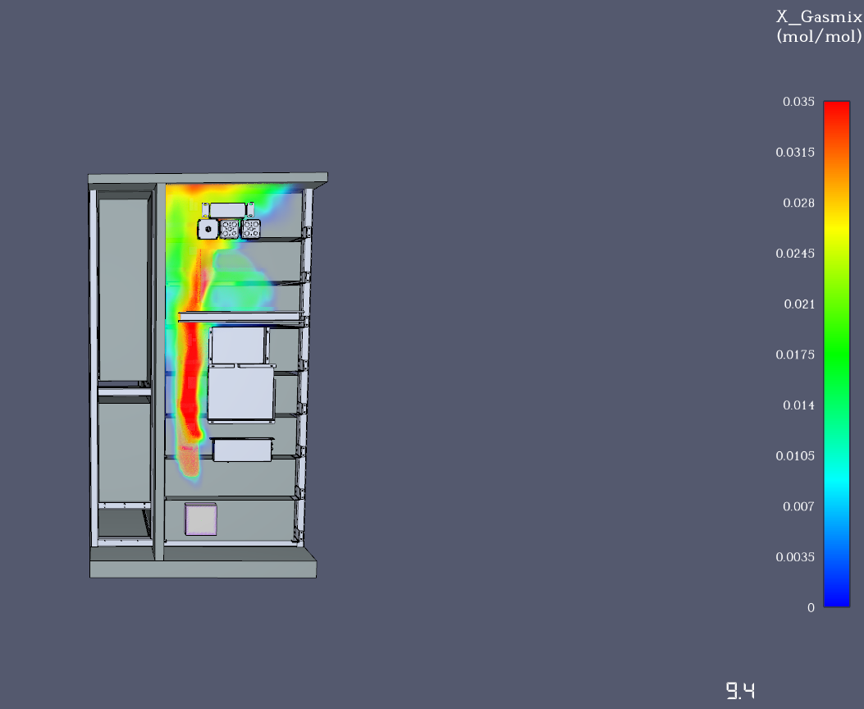
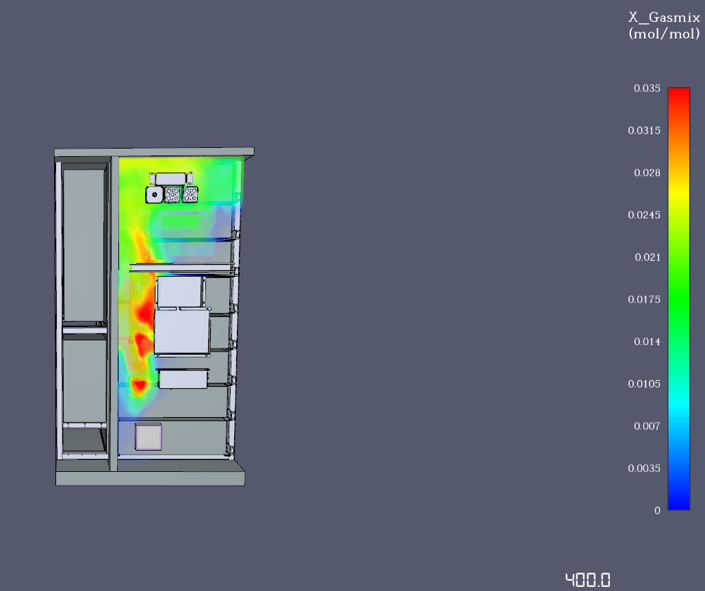
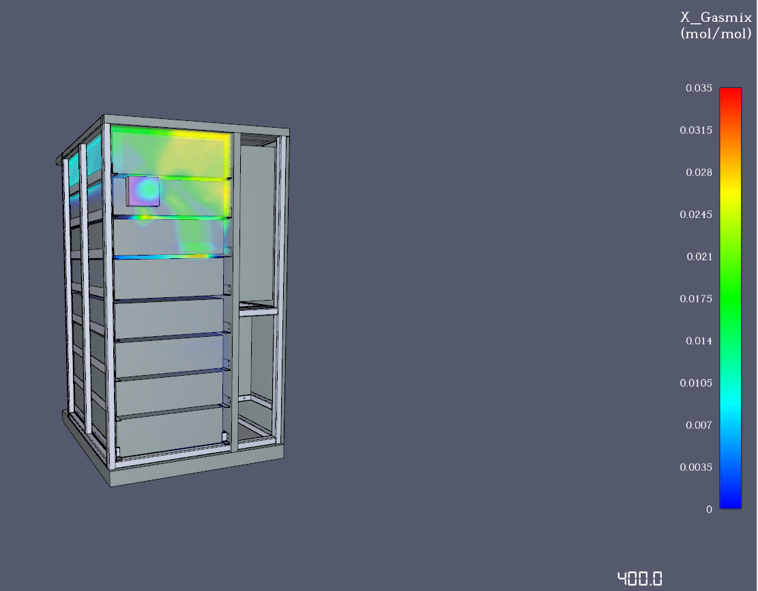
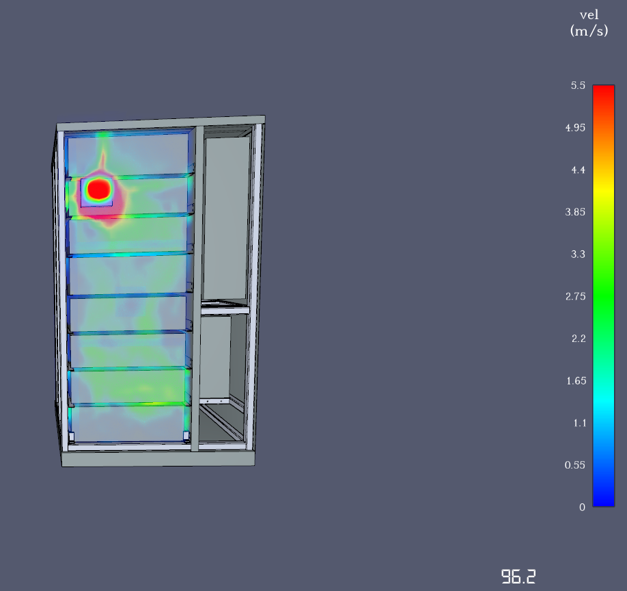
This anonymized example illustrates how CFD can be used to examine flammable-gas distribution, enclosure ventilation, and concentration behavior over time. Results are interpreted together with the modeled release scenario, ventilation configuration, and defined assessment criteria.
Gas-mixture volume fraction during early- and later-stage release conditions, shown from multiple viewing angles.
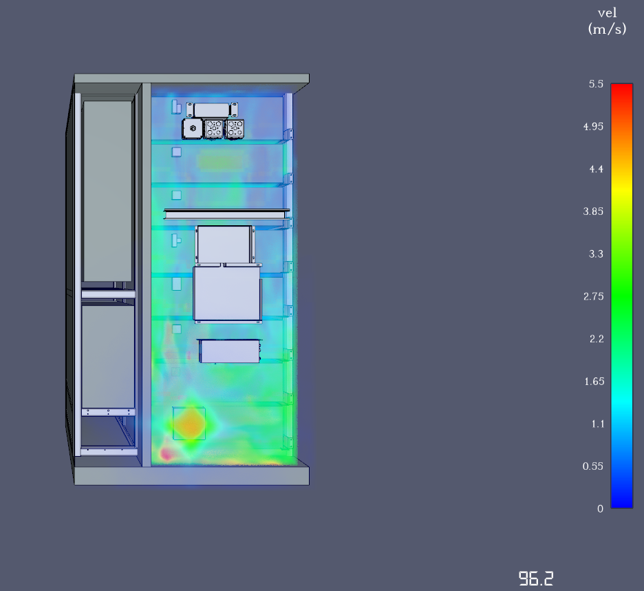
Velocity contours at the modeled inlet and exhaust regions support review of the ventilation flow path and local air movement.
The volume-mean gas-mixture fraction provides a time-history view of the initial transient and subsequent concentration behavior.
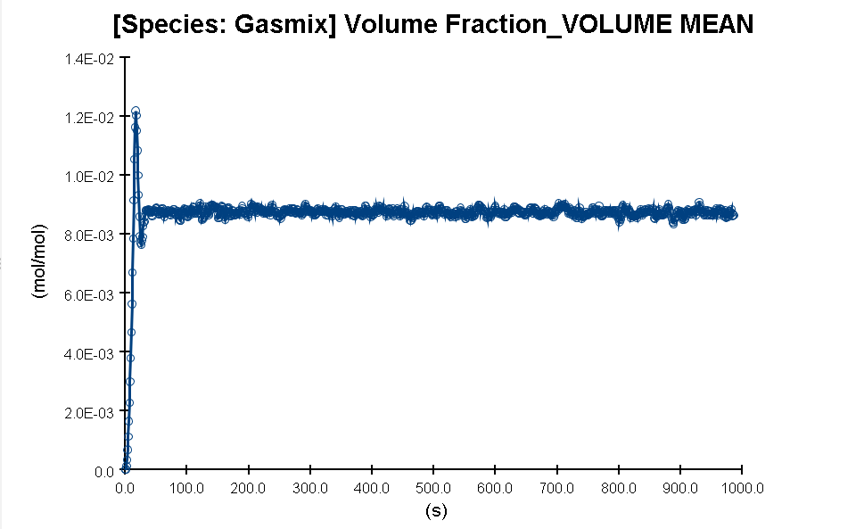
Representative Simulation Example
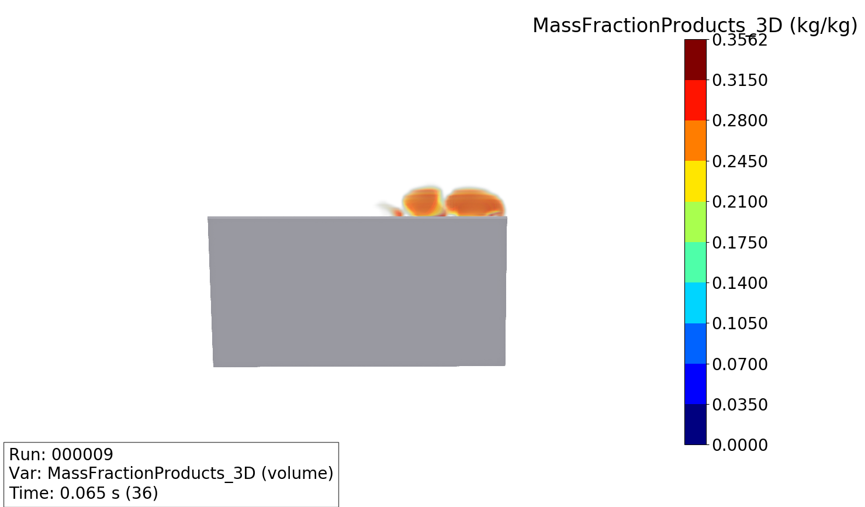
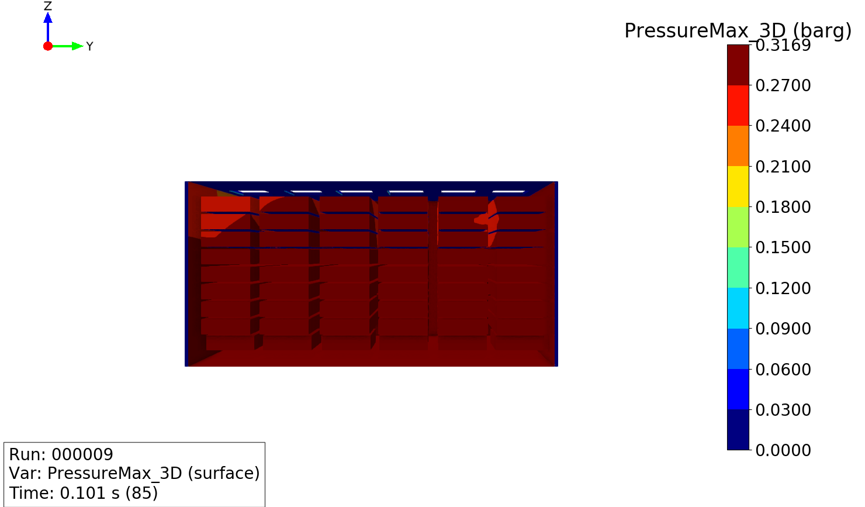
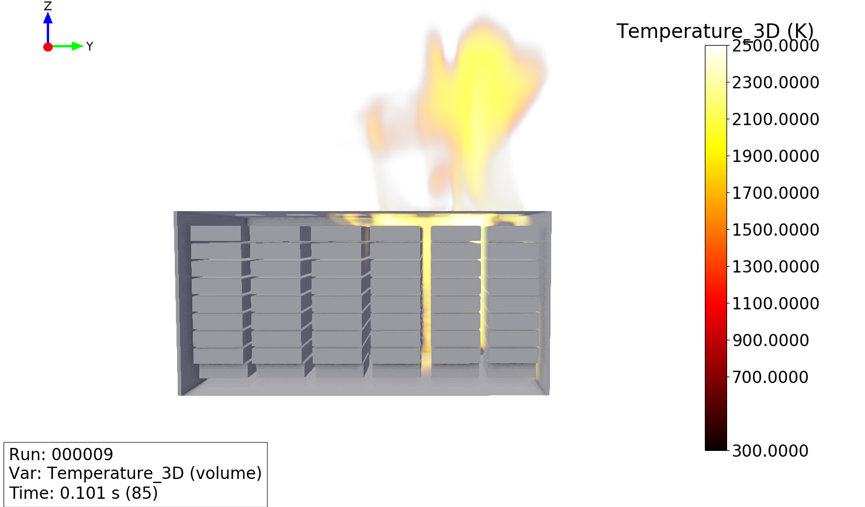
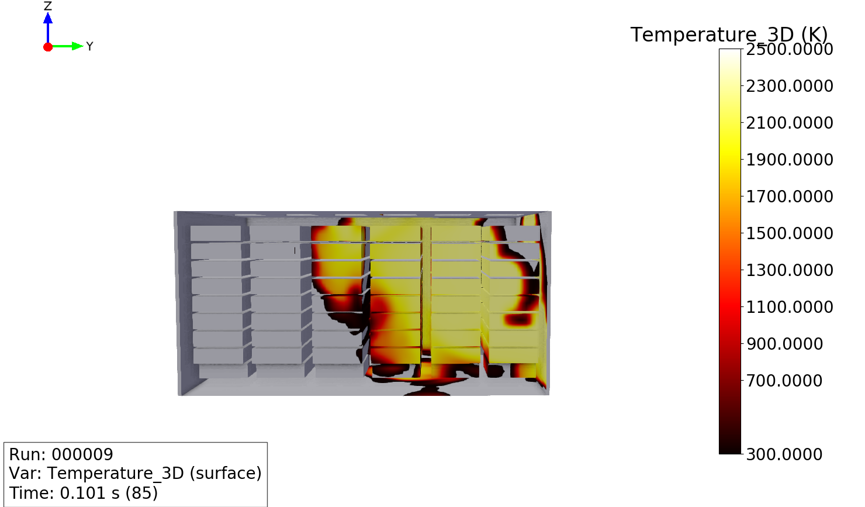
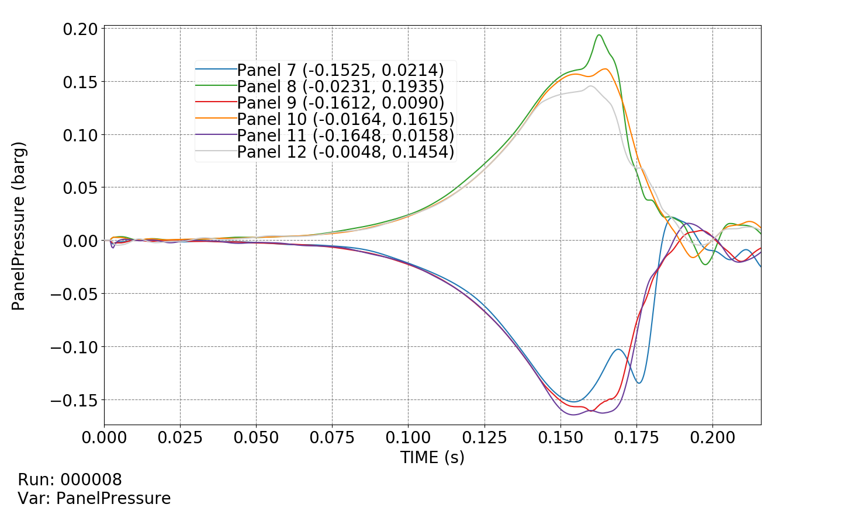
This anonymized example illustrates transient deflagration development and the engineering outputs used to evaluate venting behavior. Product formation, pressure, temperature, and panel-pressure histories are reviewed together with the modeled geometry and boundary conditions.
Modeled combustion-product development at two stages of the early transient.
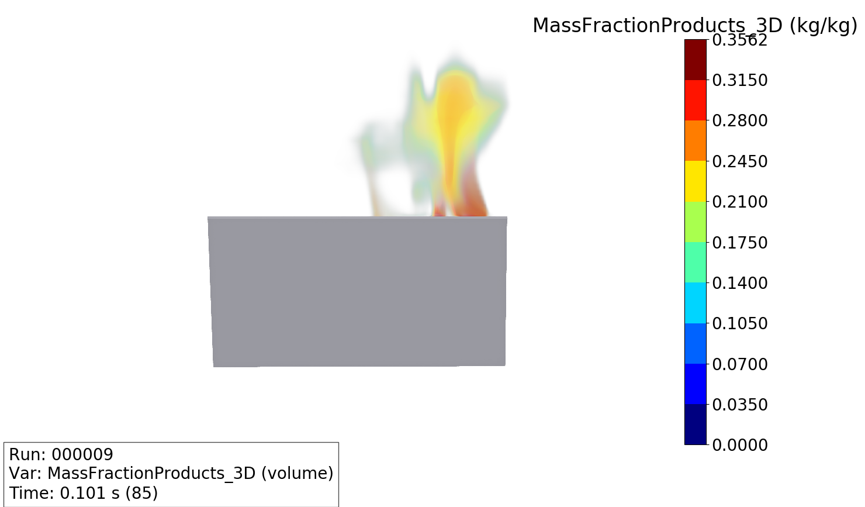
Maximum pressure and temperature outputs support evaluation of enclosure response, venting behavior, and thermal conditions during the modeled event.
Time-history results compare transient pressure response at selected enclosure panels and show the positive and negative pressure phases of the modeled event.
Our Process
Confirm the product, intended installation, jurisdiction, objectives, and required deliverable.
Review drawings, specifications, test reports, operating information, and project constraints.
Apply code assessment, calculations, CFD, and engineering judgment appropriate to the question.
Prepare clear findings, assumptions, limitations, recommendations, and PE review when required.
Discuss Your Project
Send us the available test reports, product information, site configuration, target state, and permitting requirements.